“Welsh flannel tells a story of craftsmanship, resilience, and connection to place. With this new shirt, we hope to continue that story.” Emily James, clothing designer, maker and founder of Carpenter & Cloth
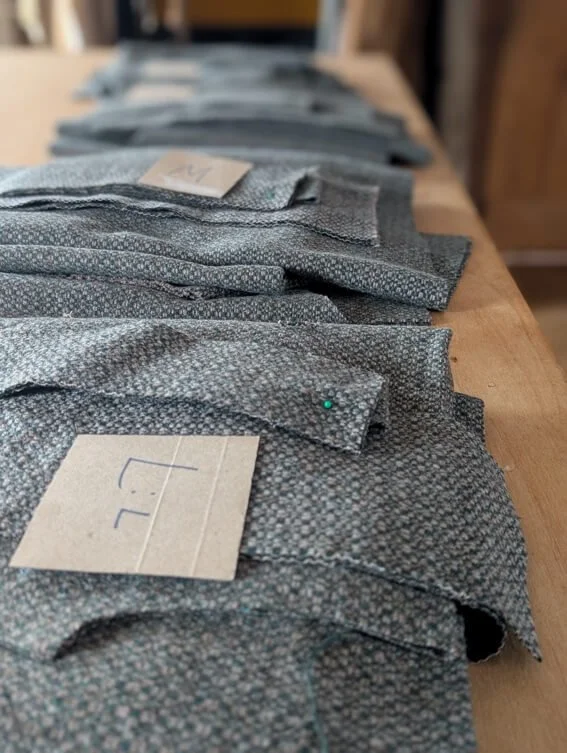
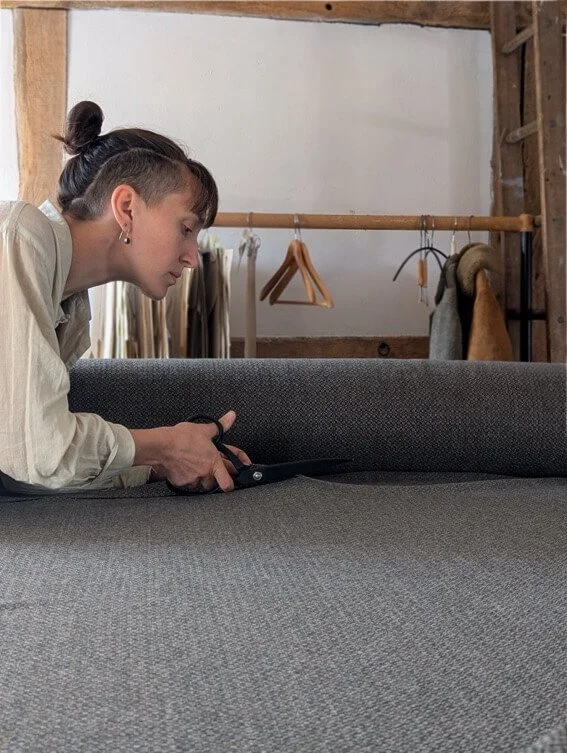
In recent years, the Welsh double cloth (or ‘tapestry’) blankets synonymous with Welsh textile design have enjoyed a fashionable resurgence, but there is much more to the story of wool and weaving in Wales.
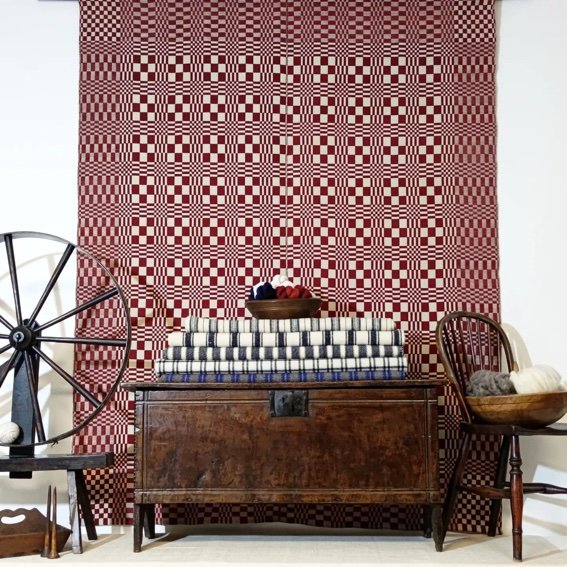
Image from the Museum of Welsh Textiles
The old Welsh blankets in the tapestry style are extremely distinctive. Their heavy character requires a lot of wool and their complex designs take a great deal of skill to produce. Often presented as wedding gifts and heirlooms, these blankets were extremely well looked after.
But, for everyday, the skilful spinners and weavers of Wales produced a great deal more utilitarian cloth, for plain blankets and of course, clothing…
What is Welsh Flannel?
The term ‘flannel’ first appears as a merchant notation in 1503. It is considered to be an anglicisation of the Welsh word ‘gwlanen’ (from the ancient Gaulish *wlanā) directly meaning ‘woollen’ referring either to a length of cloth for, or an item of clothing (usually a shirt or leggings) made from that particular quality of woollen cloth.
The cloth was fairly light weight, dense, and had a particular semi-felted, soft finish. The skills required to achieve this quality relied on expertise at every stage of the process, from selecting the right fleeces, spinning the right gauge and ‘twist’ of yarn and the correct warping and tension on the loom.
This cloth would have been produced in Wales by smallholders and farmers for domestic use for centuries, but in the C14th, developments in technology and a changing economy ignited a wider trade market for this desirable cloth, leading it to acquire the identifying label ‘Welsh Flannel’.
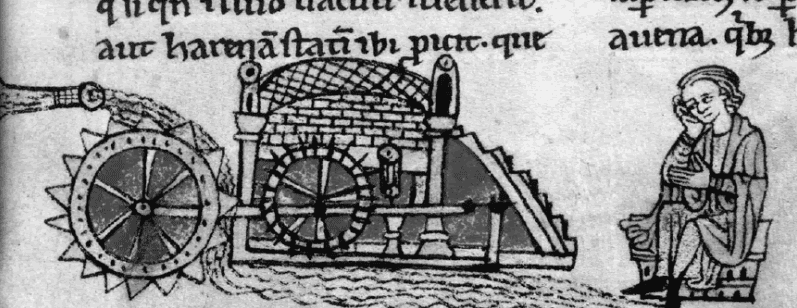
A medieval fulling mill
At the beginning of the C14th, the ‘pandai’ (fulling mills) started to appear in Wales. The plentiful flowing streams were utilised to drive huge pounding hammers to do the work of softening and felting previously laboured by foot. Along with the ‘great wheel’ for spinning and the horizontal loom with heddles, beam, shuttles and pedals, this advance in technology increased processing speeds enough to allow for the development of an outside market for the cottagers’ cloth.
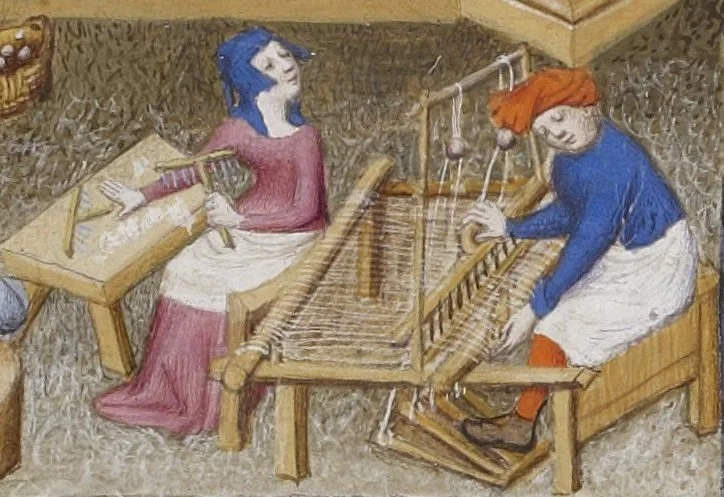
a medieval illustration of carding and weaving
Until the end of the 1700’s, all of the wool required to support this industry could be supplied from the hills and valleys of Wales and weaving was still a supplement to farming, being a lucrative winter occupation. All of the processes, apart from finishing, were still carried out in the home or ‘ty gwydd’, literally a ‘goose house’ but referring to a small lean-to building housing a loom, which would be worked during the down times in the farming calendar.
In 1780, the invention of a water driven carding machine (previously done by hand) and then the spinning mule, meant that the scale of machinery simply outgrew the homesteads of Wales, turning the process into a centralised factory system. This upscaling now demanded the import of raw fleece as well as the local produce.
From that point on, different areas of Wales have, at different times, undergone industrial boom and bust in the woollen industry…
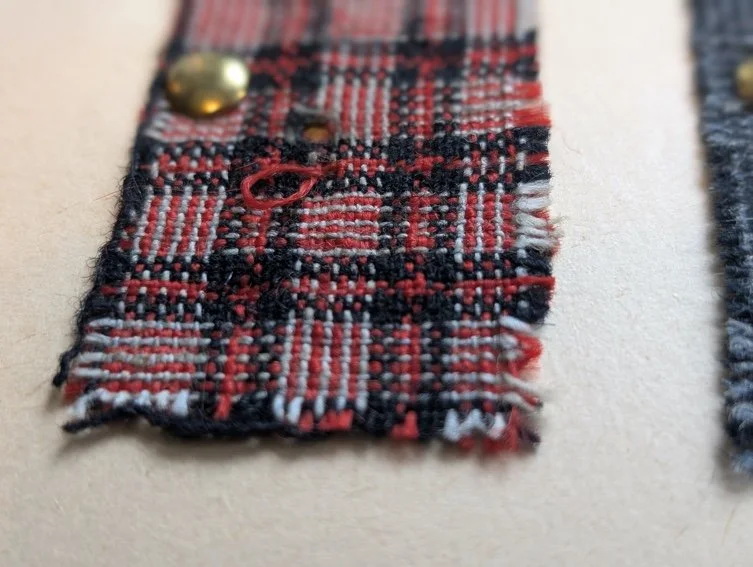
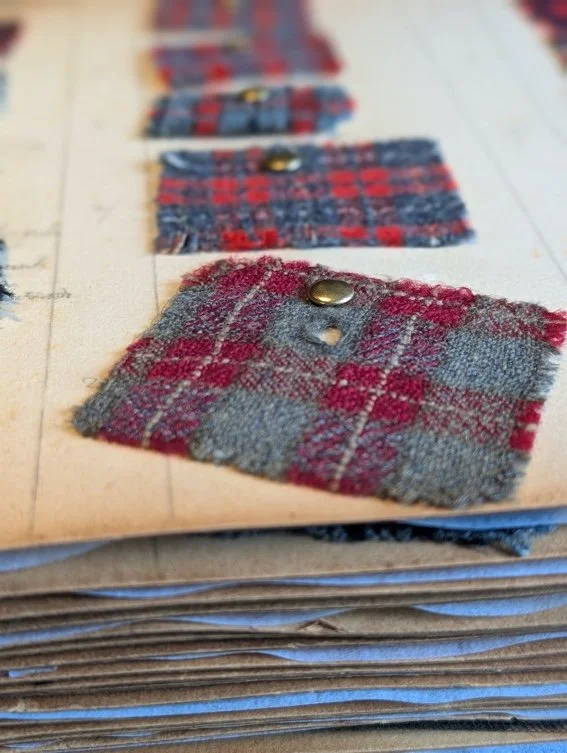
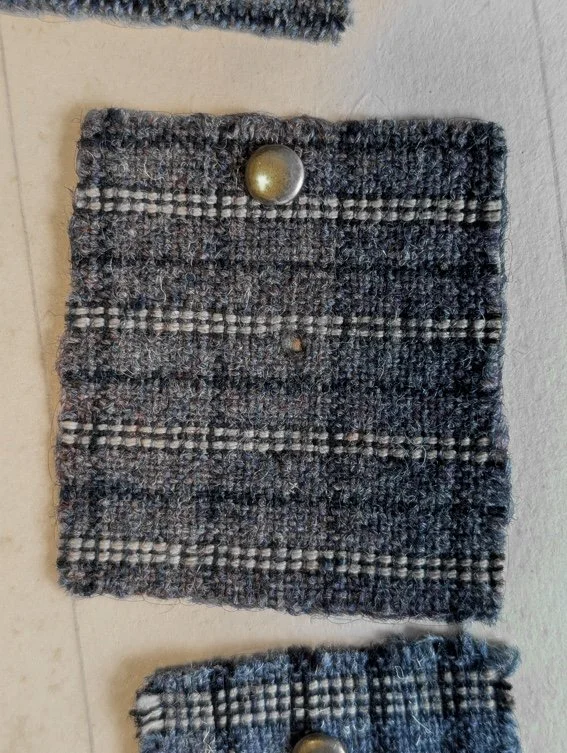
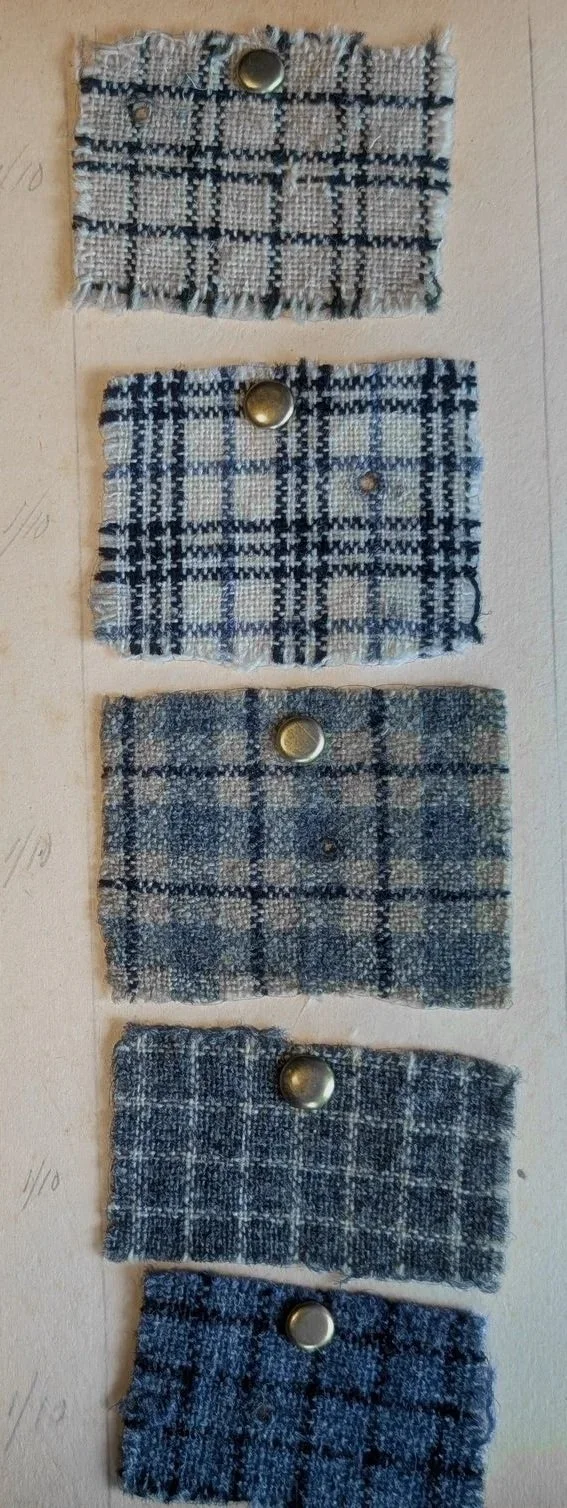
Samples of flannel from across Wales c.1880
The Rise and Fall
As with so many crafts that were once a vital part of life, our drive for efficiency of scale created industrial production. When processes become centralised in a factory system, people become displaced in the need for work, skills become fragmented and small communities no longer possess the means of self reliance. First craft becomes manufacture and then it becomes cheaper to produce goods elsewhere and the skills and the tradition are lost.
The popularisation of the ‘Welsh Costume’ in the C19th was certainly an attempt to strengthen the Welsh national identity and hold on to the tradition of flannel manufacture. As a result, we commonly imagine the iconic black and red or black and white patterned cloth, but the range of colours and designs produced across Wales were as broad as the tweeds of Harris or the tartans of mainland Scotland.
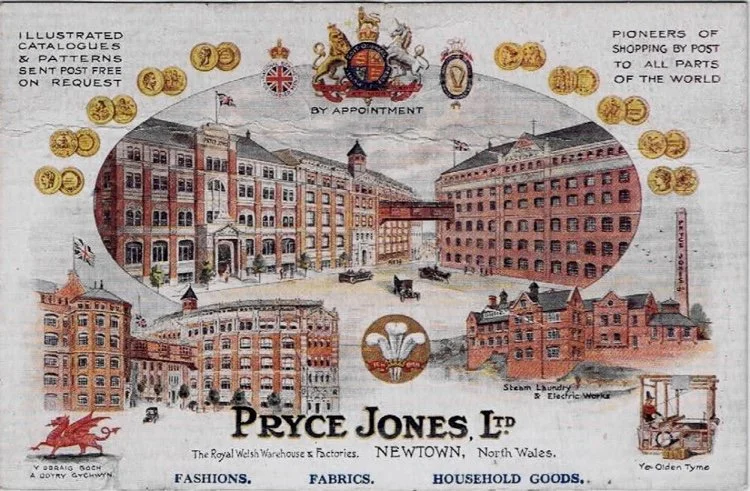
In 1870, Pryce-Jones famously set up the world's first ever mail order company in Newtown. Apprenticed to a draper at the age of 12, he developed close relationships with the local mill owners and boasted a number of fashionable influencers-of-the-day amongst his customers. Although the woollen industry here had already declined, he saw his opportunity with the newly standardised postal system and expanding rail network to extend his customer base directly.
He declared with his first catalogues that ‘the public should be brought into more direct contact with the producer’. It is this connection that many of us still seek, when we buy a handmade bowl directly from a potter, a length of tweed woven on Harris, or relish the tangible provenance of an artisan cheese…
The Future
Over recent years, this connection to Welsh heritage - the production of flannel - has come extremely close to being severed for good.
In fact, in 2022, when I came to commission our second run of cloth for the Carpenter & Cloth Flannel Shirt, I hit a wall. It seemed that Wales’ capacity to produce its heritage clothing fabric may have come to an end.
Due to retirement and dwindling skills, the last remaining specialist flannel mill, Melin Teifi, had closed its doors. In a desperate rescue attempt, the National Museum Wales purchased the weaving equipment, but concerned primarily with preserving the heritage craft knowledge, the museum was not able to take commissions as a commercial mill.
The following year, also due to retirement, the only other Carmarthenshire mill closed its doors. Elvet Woollen Mill, tucked into the Cothi Valley, was one of only seven working mills left in the whole of Wales. It had survived the last 40 years by producing blankets for the tourist market. The owner, ever passionate about preserving the Welsh woollen industry, stipulated that Elvet would be sold only on the condition that it would remain a weaving mill, but with very few people possessing the skills, finding a buyer would not be easy.
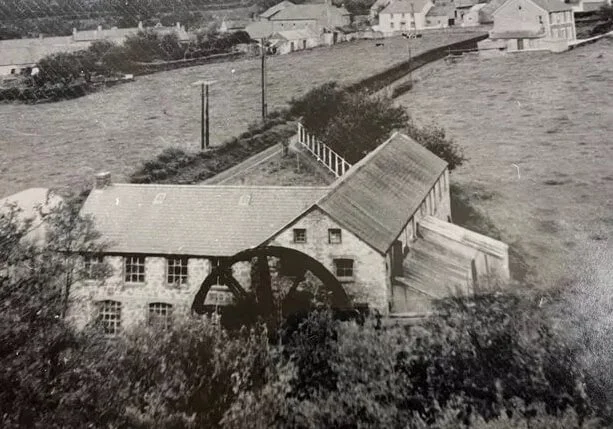

Daniel Harris of London Cloth has spent the last 15 years rescuing numerous looms and historic machinery from disused or collapsing mills—equipment that would most likely otherwise be lost forever to scrapyards. Having been pushed out of London by spiralling rents, the opportunity to take on Elvet Woollen Mill and house his growing collection of looms in one place, was one that he could not pass up.
The work required to restore Elvet Mill has been huge. But, two years on, after a great deal of gruelling building renovation, huge investment and dedicated, skilful equipment restoration, I received a call to say that Elvet was ready to weave cloth again.
With Daniel’s help and expertise, I was finally able to commission the first run of Welsh Flannel to be commercially produced in Wales for three years. We chose to use soft merino lambswool from a British yarn company, with the aim of creating a cloth that would be coveted in modern wardrobes. The result is dense and soft with a snuggly drape that is extremely warm and durable.
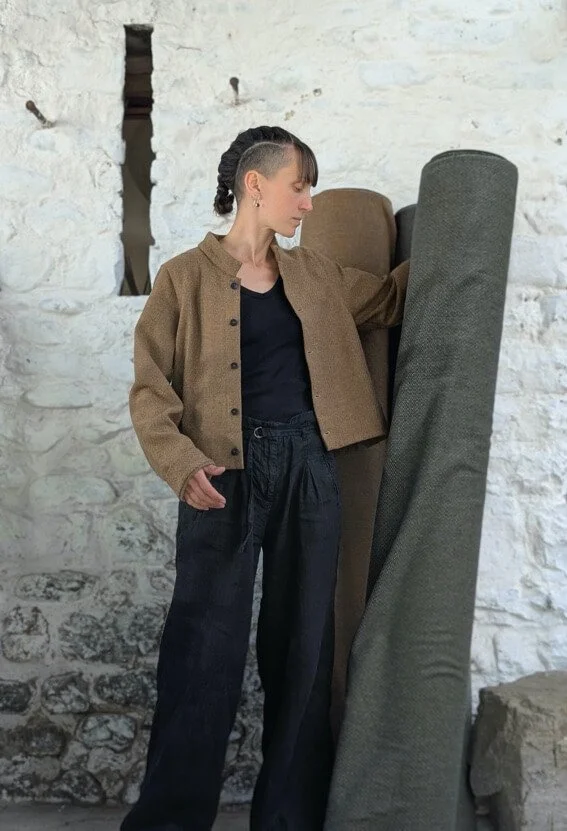
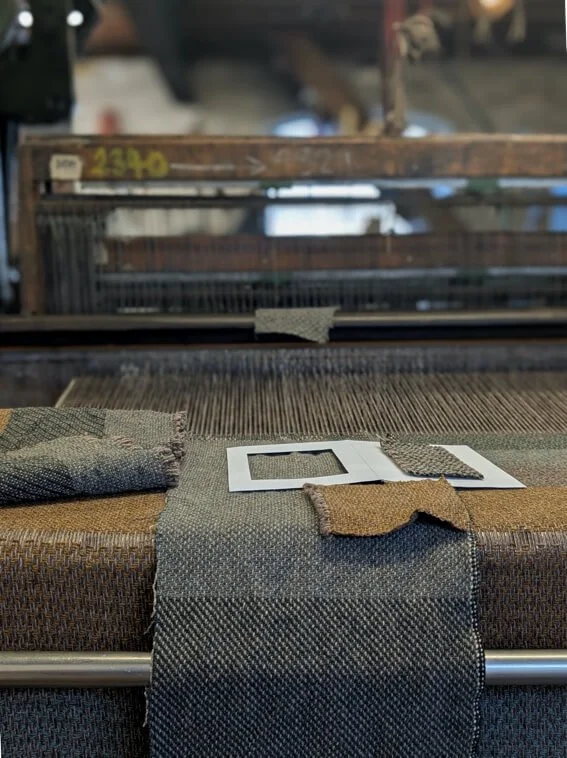
The colours, inspired by the soft hues of the Welsh winter landscape are a departure from the commonly pictured St Davids Day costume. Instead, with a design built for modern wear, the Carpenter & Cloth Flannel Shirt is a contemporary tribute to the long tradition of Welsh wool craftsmanship.
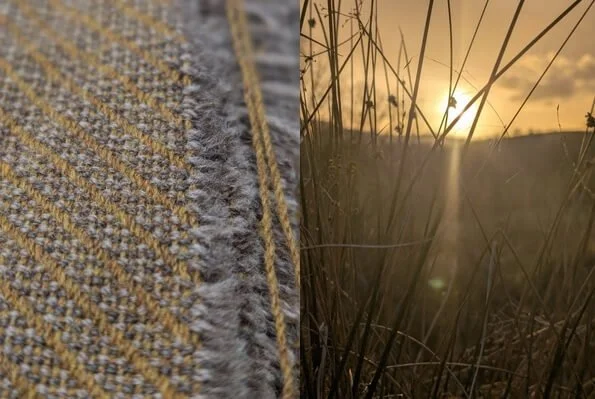
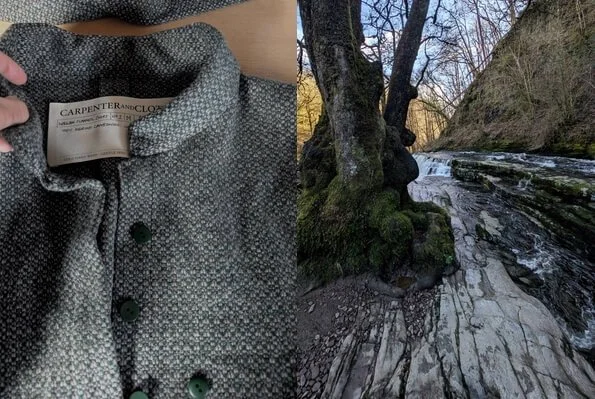
Although only a short run of 120m, woven on 100 year old looms, this tentative step towards a new era for Welsh Flannel is none-the-less a milestone in the story of Welsh textiles.
This year, the National Museum Wales, along with the wider wool community in Wales, have submitted a listing for Welsh Flannel in the inventory of Intangible Cultural Heritage held by UNESCO under the 2003 convention.
Two of our first run of shirts are now part of the National Museum Wales’ permanent collection and will be on display from mid October at The Woollen Museum in Drefach Felindre.
"I think it's great that Carpenter & Cloth are reviving traditional Welsh flannel shirts. Flannel has played a huge role in the Welsh woollen industry and today it is vital that we think more about where our clothing comes from. Wool is a fabulous sustainable material and its wonderful that Emily and Daniel are keeping this heritage industry alive and vibrant for the modern day” Debby Mercer, Senior Curator, National Wool Museum

The Carpenter and Cloth Welsh Flannel shirt in colour-way ‘COED : woodland’