This weekend at the Hay Castle Craft Fair, we’re proud to launch pre-orders for our long awaited, brand new Welsh flannel shirt, made from 100% merino wool.
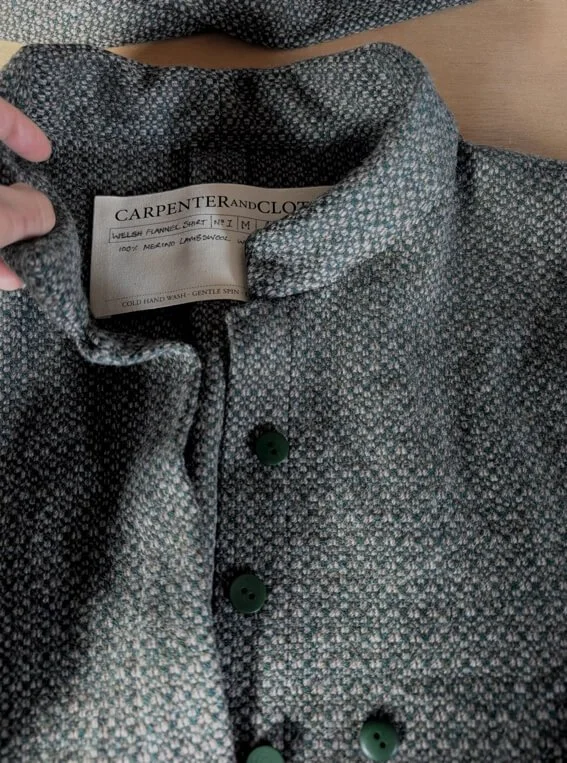

Designed with reverence for our heritage, but built for modern wear, this new shirt is our tribute to the long tradition of Welsh wool craftsmanship, with the luxurious comfort of soft merino lambswool. Woven specially for us at the historic Elvet Woollen Mill on century old looms in the soft muted colours of the Welsh landscape, our resulting cloth is dense with a snuggly drape that will be extremely warm and durable.
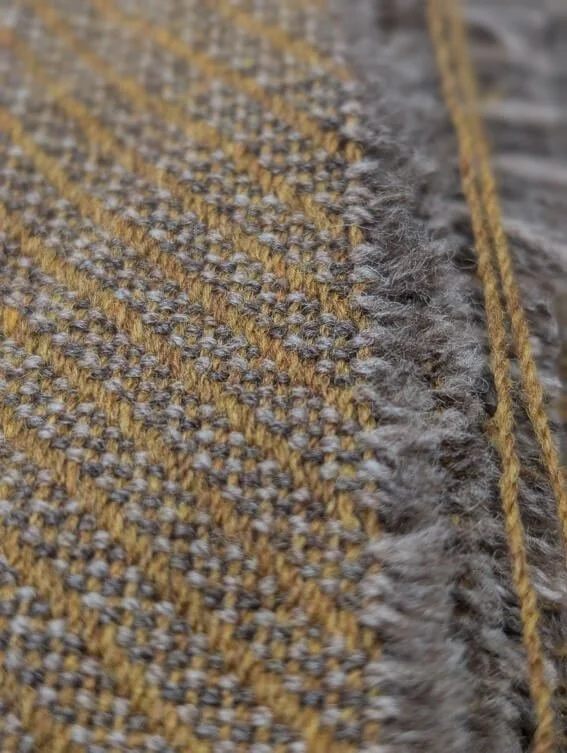
A Long Time Coming
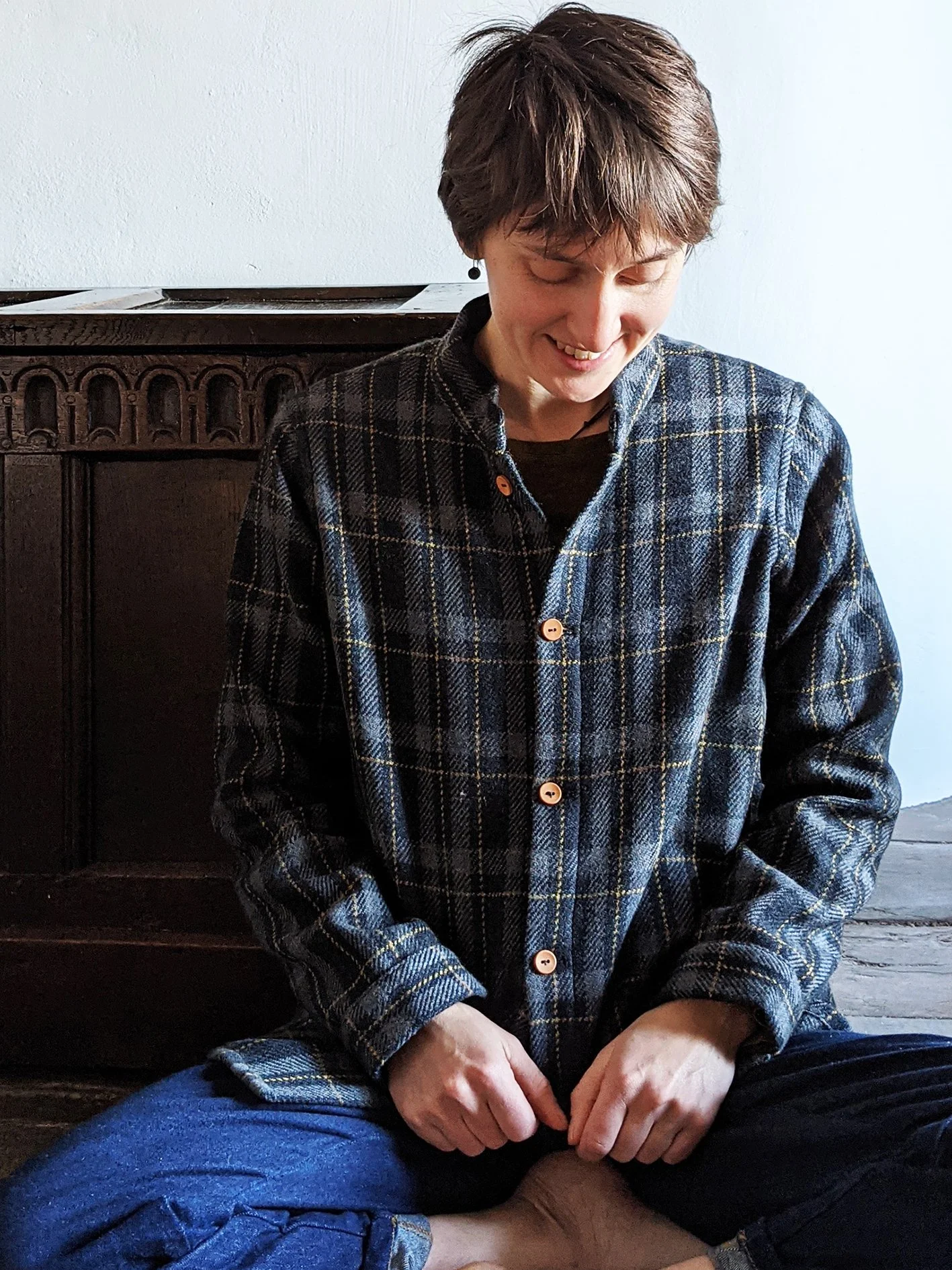
Our original shirt from 2020
When we commissioned our first Welsh Flannel cloth for shirts back in 2020, we were excited to embark on a new staple for the Carpenter & Cloth range. We ended up with twice as much cloth as we originally anticipated, but it turned out to be a blessing - not only were the shirts extremely popular, but soon after, the specialist flannel mill had to close its doors and silence its looms. We approached two other mills in the hope of having more cloth woven, but it was logistically impossible. It felt like the dream of keeping this heritage cloth alive was slipping away.
However, in 2023, Daniel Harris began the mammoth restoration of Elvet Woollen Mill. The work to get the building and looms to a state of production again has been massive - and is far from done, but last year I received a call to say that they were finally in a position to produce some flannel for us… and here we are!
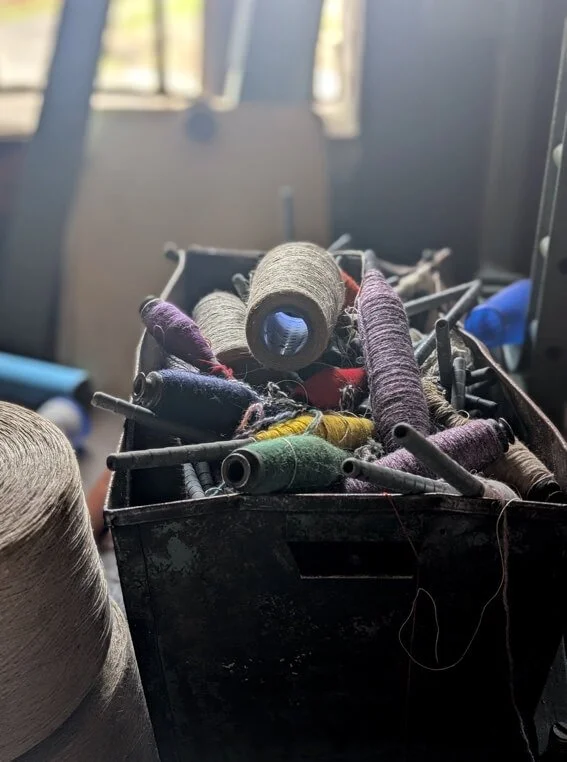
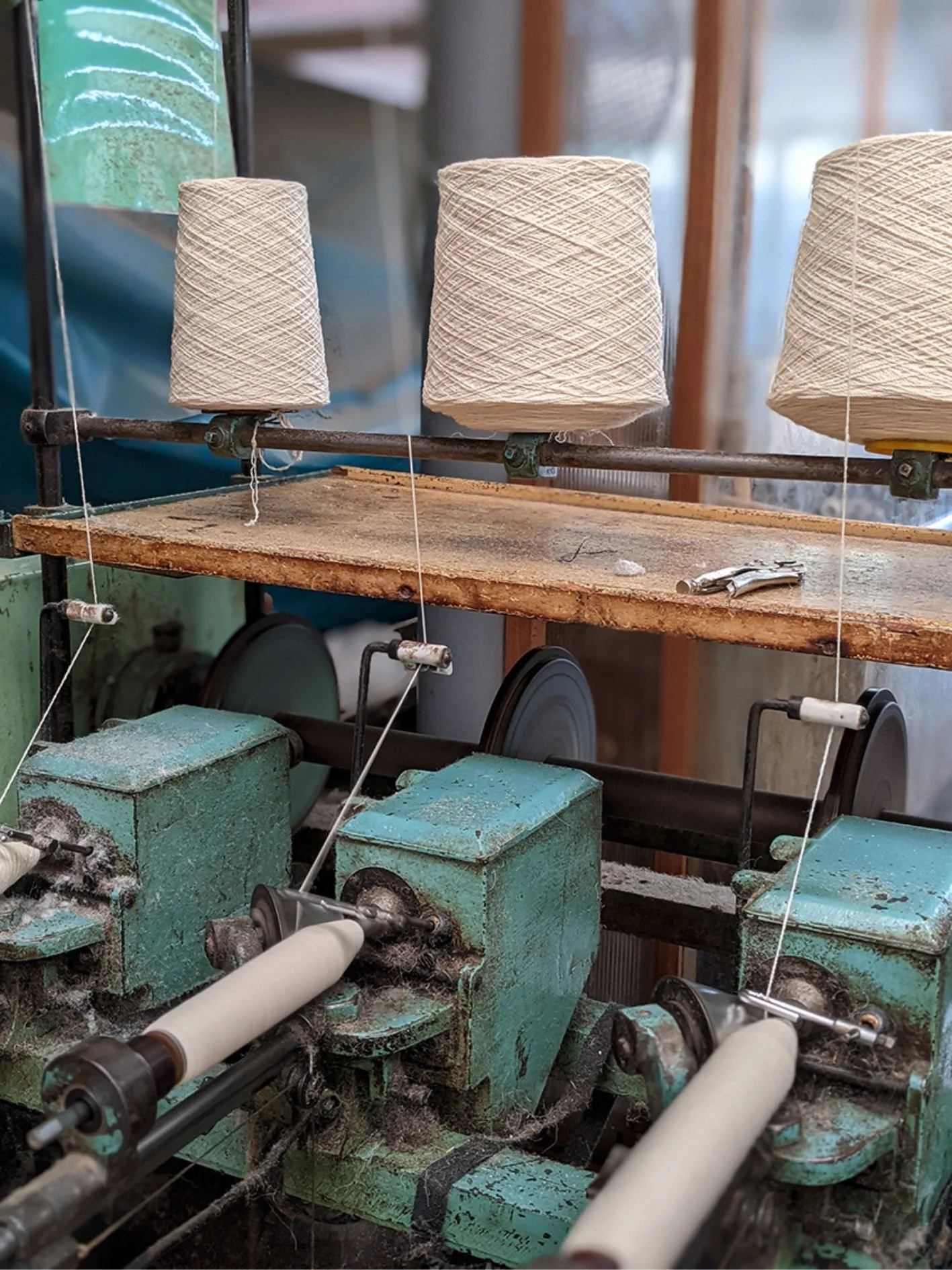
Ends of yarn at elvet Woollen Mill
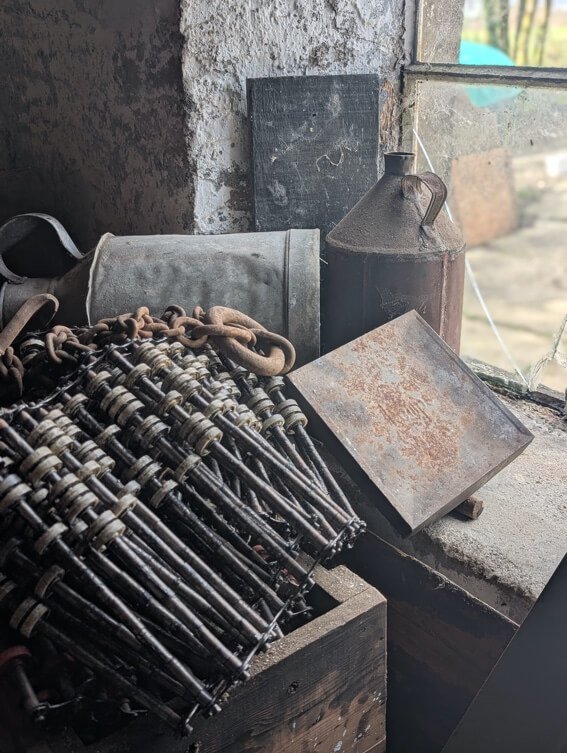
Loom chains at Elvet Woollen Mill
The Heritage of Welsh Flannel
From the hills and valleys of rural communities to the weaving mills that once powered local economies, wool has shaped life in Wales for centuries and Welsh flannel has become known for its warmth, durability, and unmistakable character.
Welsh flannel was originally a utilitarian cloth that became popular in the C16th. Woven from locally sourced sheep’s wool it was used to make practical garments and blankets that could provide comfort against the cold and wet Welsh climate. During the 18th and 19th centuries, flannel production flourished across Wales, increasingly made with imported wool, with small family-run mills producing distinctive checked and striped fabrics that became recognised far beyond our borders.
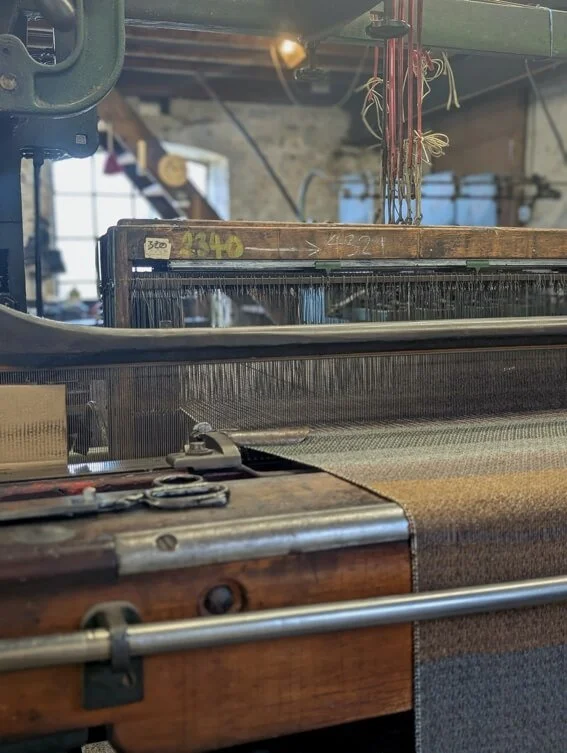
Our new Welsh Flannel being sampled on the loom
Crafted from 100% Merino Wool
Merino wool offers all the warmth and resilience associated with traditional flannel, but with a finer, more comfortable feel against the skin. Like all wools, it regulates temperature naturally, making it equally suited to crisp autumn mornings, evenings by the fire, or year-round layering.
The finer micron achieved by Merino breeders makes it possible to spin a very fine and soft yarn. Although we prize our native British breeds of sheep for our jacket and gilet cloths, we chose to use imported merino for these shirts to negate the need for lining with cotton - which of course is also an imported fibre.
The result is a shirt that honours the rugged practicality of classic Welsh flannel while elevating comfort and wearability.
Everyday Heritage
This design was created with simplicity and longevity in mind; a shirt that was rooted in Welsh tradition whilst becoming an everyday wardrobe staple — something equally at home in the workshop, in the hills, or around town. It’s a garment made to age beautifully and become part of your own story over time.
Welsh flannel tells a story of craftsmanship, resilience, and connection to place. With this new shirt, we hope to continue that story.
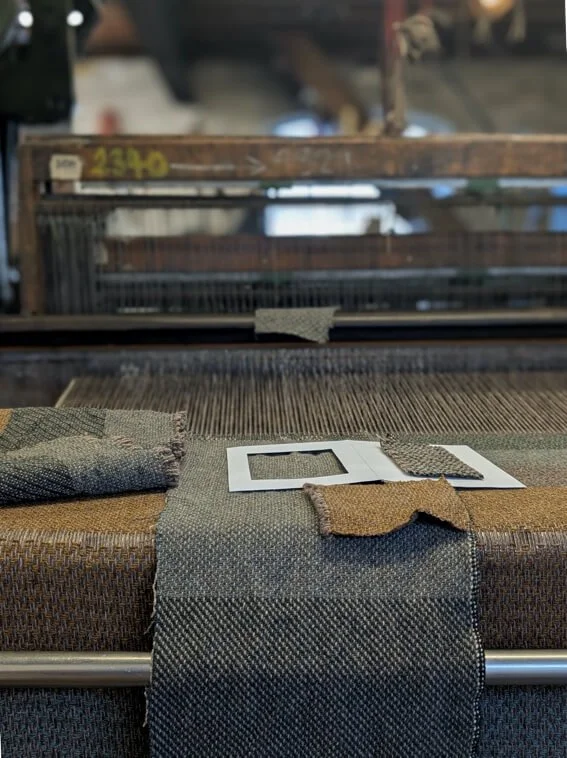
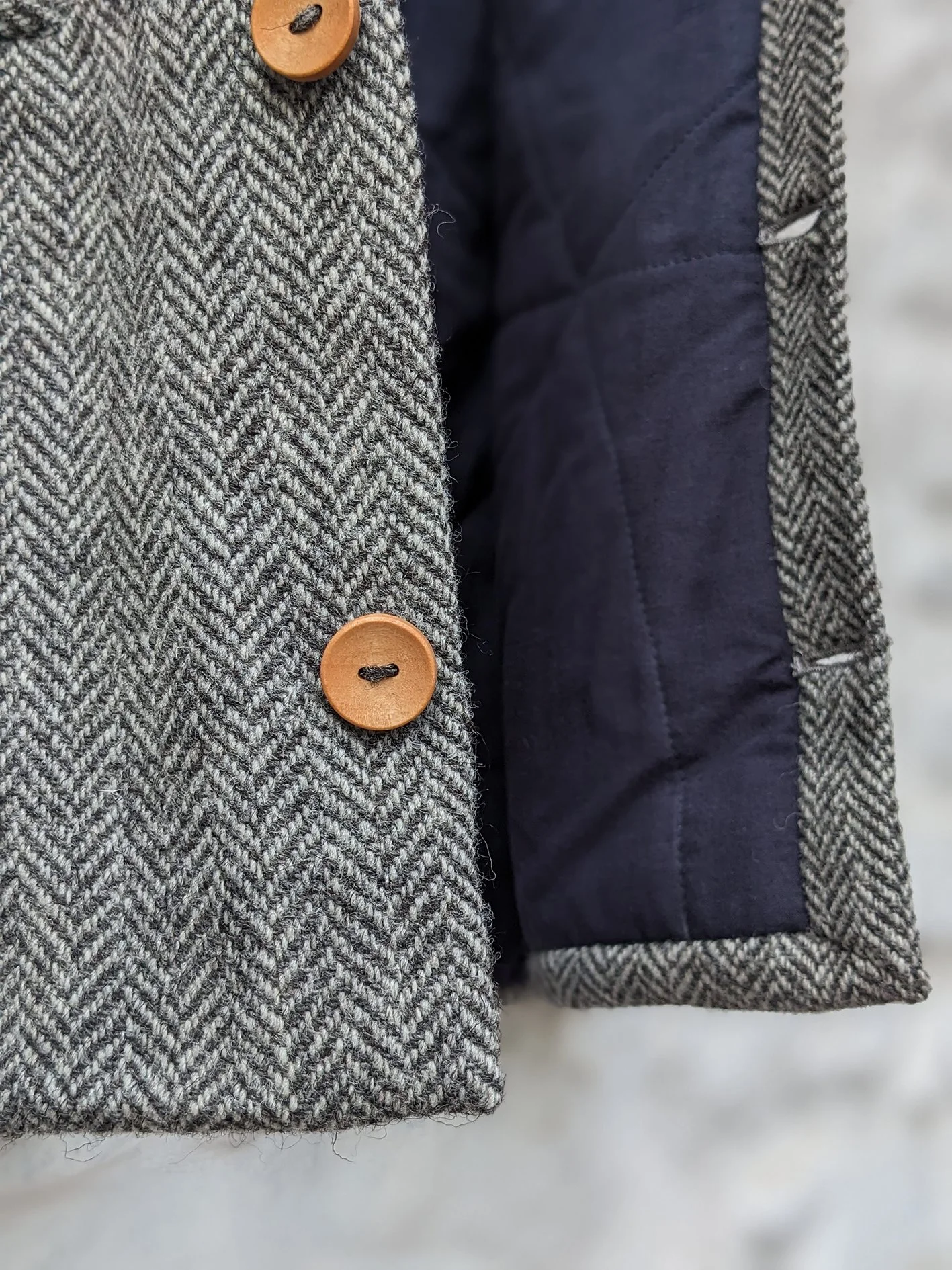
Sampling different twill patterns
Available Online Soon
I will have sample shirts in each size this and be taking pre-orders in person this weekend at
If you’re unable to make it, join our mailing list below and keep an eye out for our mail drop, or follow us on Instagram, for notification of when they become available to order online.